




Cheap VPNs and Cheap Proxies: Where the Savings Actually Come From

Cheap is not the problem — not knowing where the price was cut from is. This goes through the specific places it usually comes from, so you can judge whether a deal is worth it before paying.


Cheap does not tell you much on its own — it can be the result of healthy competition, or it can be quietly cut from somewhere you have not noticed. The question worth asking is not "is this cheap," it is "where did this price come from."
Route quality, device limits, support response, refund terms, and whether the provider survives long-term are the places most likely to get quietly trimmed. Going through them one at a time before buying is far more useful than comparing price tags — most people are not burned by the expensive option, they are burned by the one that looked like a deal.
Where "cheap" usually comes from
You get what you pay for applies pretty directly to network services, except the part that got cut is rarely printed on the landing page — you have to go find it yourself, and no provider volunteers "we trimmed this corner."
The usual places are: route quality during the evening peak, how many devices one subscription covers at once, how fast support responds when something breaks, and whether the company is still around next year. The price is visible immediately; these take time using the service to actually feel, which is exactly why cheap looks like a good deal up front and does not always stay one — the gap tends to show up in month two.
The good news is that none of this needs a month to confirm — ten minutes on the landing page and the terms, plus a few days of real use, usually surfaces the answer before anything actually breaks. Here is each one, in order, and how to check it.
Go through each one
Breaking these apart is more useful than a blanket "cheap means bad," and checking each one before paying is not complicated.
Route quality: fine by day, what about at nightThe evening peak is the most common place a cheap plan cuts corners. During the day, with fewer people online, it feels no different from a pricier option; the gap shows up once everyone is online at night. The test is simple: use it across a few actual evening peaks instead of testing once during the day and calling it done — a daytime result tells you very little about what night looks like. Staying smooth through peak hours is what tells you this deal did not cut the hours you actually use it.
Device limit: how many can one subscription actually runA common way to hit a low price is capping how many devices can run at once. If the plan is meant for a whole household, confirm that number first, rather than finding out after paying that it covers one device and everyone else needs a separate plan — which stops being cheap once you add it up. This number is usually written in the feature page; there is no need to guess or take a verbal answer from support.
Support: how long before anyone responds when something breaksResponse time after something goes wrong is one of the easiest things for a cheap service to cut. It is hard to test in advance, but sending one question before paying and timing the reply — and checking whether it reads like a canned response or someone actually addressing the question — tells you a lot. A canned reply is usually a sign that support staffing has been cut to the minimum, and the same team handles pre-sale questions and post-sale problems, so the first tells you what to expect from the second.
Whether the provider survives: disappearing overnight is a real riskAmong subscription proxy services, a provider shutting down mid-term with prepaid money still owed is not rare — the common term for it is disappearing overnight. The lower the price, the harder it is to keep covering server and bandwidth costs long-term. This is not about any one company; it is a structural risk of that kind of business, and the more extreme the discount, the more it is worth a second look — especially anything priced far below comparable options. Checking how long the provider has already been operating helps: longer usually means it has survived a few rounds of that same cost pressure already.
Refund terms: does cheap mean no refundsPlenty of cheap plans trade a lower price for "one-time purchase, no refunds." That term is not the problem by itself — the problem is not reading it before paying, then finding out you agreed to exactly that once something goes wrong, at which point there is no way back and the money is hard to recover. The same price with a refund and without one is not really the same product, and should not be compared on price alone.
Promotional language worth a second look
"Limited time" and "today only" are common promotional tactics on their own and are not, by themselves, a sign of anything bad. But seeing "rock-bottom price," "one-time purchase" and "no refunds" all stacked on the same offer is worth pausing over — that combination stacks every risk above onto a single order.
The right move is not to panic-buy because of "limited time," but to scroll the whole promo page and find the device limit and refund terms in writing. A deal that states them clearly will not vanish if you wait a day; a vague one is exactly what that extra day is for. The same logic applies to "only a few spots left" — whether the spots are genuinely limited and whether the plan is worth buying are two unrelated questions.
Extra things to watch for with proxy services
Subscription proxy services usually bill by data or by time, which gives them more pricing flexibility than a subscription VPN — and makes "cheap now, price hike later" or a mid-term shutdown more common. When picking a cheap one, check how long it has been running and whether reviews mention it suddenly stopping working.
That is not to say proxy services are inherently unreliable — this pricing model just carries more flexibility by nature, which is worth a bit more time to confirm rather than judging by the first month's price. How the long-term cost of a proxy compares to a VPN works through that math on its own, putting the first month's price next to a full year of actual spending. Most people totaling this up only count the renewal price and forget to add the time cost of switching providers mid-way and getting used to a new one — and that time cost usually stings more than the renewal price gap.
Verify these over a week, not just on price
None of the above shows up on a landing page — it only shows up after using the service for a while. The five things to test during a VPN trial applies just as well to a cheap plan: use it for several days, make sure it covers an evening peak, connect every device you plan to use, and that tells you far more than a price table on a homepage — and it tells you before you have actually paid for a full plan.
What kind of cheap is worth buying
Cheap is not the problem; being unable to say where the savings came from is. A cheap plan that states its route quality, device limit and refund terms in writing, and one that stays quiet about all three, are not the same product — the first is worth considering, the second is the one actually worth avoiding, and price ends up being the least important variable in that comparison.
FastOrange's VIP plans list device count and speed on the features page and carry a 30-day money-back guarantee; the security page states exactly what the no-logs policy covers. None of that appears only because you asked — it is there to check before paying, with nothing to guess and no need to track down support after something goes wrong. Whether a provider is worth buying from shows in whether it volunteers this information, which matters more than the number on the homepage.
In summary
Whether a cheap VPN is worth buying is not answered by the price tag — it is answered by whether route quality, device limits, support response, provider survival and refund terms are all stated clearly. Whichever one is not clear is probably the one the savings came from, and ten minutes checking before paying beats a dispute after the fact.
If you are already on the fence about a specific cheap plan, the seven most common VPN buying mistakes lists a few traps that overlap with this one — the two are worth reading together.

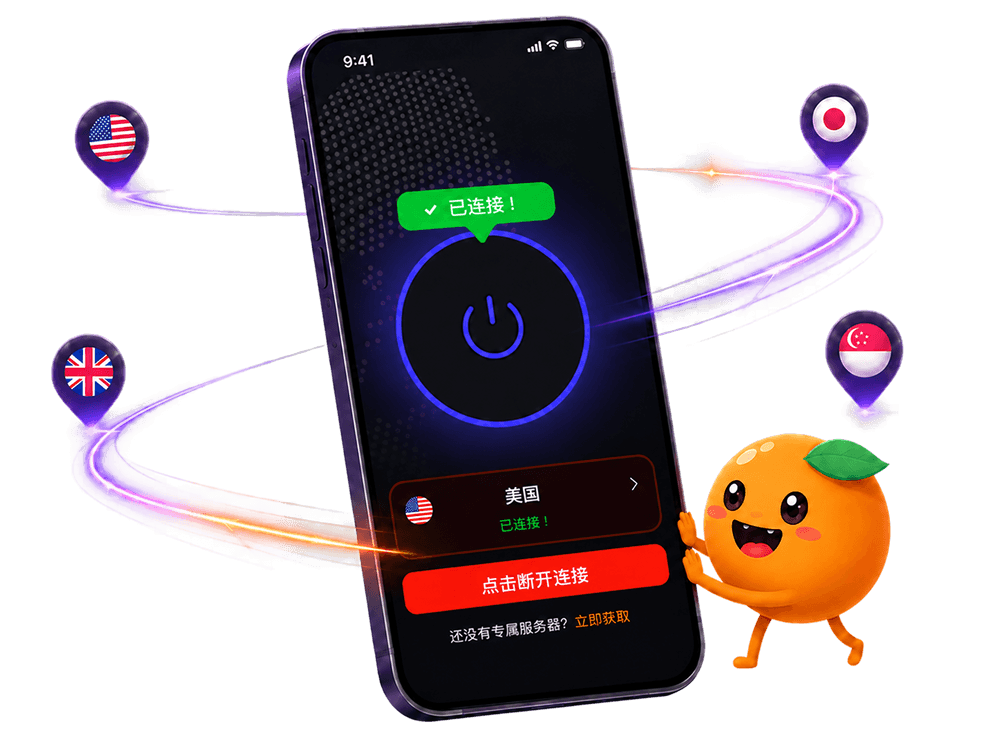
 High speed
 Millions of users
 24/7 Support
Get the Fast Orange App
One App. Every Platform. A More Stable Connection.
Available for Windows, macOS, Android, and iOS. Use One Account Across All Your Devices and Start with a Free Trial.
High speedMillions of users24/7 SupportDownload Fast Orange
 Choose your platform
Download Fast Orange
Switch between Windows, Android, iOS, and macOS